Cognite’s claim that customers have realized more than $1 billion from its industrial AI and data platform raises a useful operating question: which change produced the value, and can the owner of the plant trace it? A larger software workload is not the same thing as a better production outcome.
The company describes a customer-linked method
In the October 28 release, Cognite says a dedicated value team works with customers on operational indicators and associated business impact. It attributes approximately 36% of reported value to reduced downtime and production costs, 27% to frontline productivity, 26% to increased production and 10% to faster delivery. These rounded categories do not establish an independently audited financial return.
The announcement aggregates customers and uses the term verified for its own process. It does not provide a full customer-by-customer accounting or a counterfactual showing what would have happened without the software.
Trace the operational change before the money
For a buyer, the relevant chain begins with an observed change: less time locating an engineering record, a shorter stoppage or a verified increase in output. The next step is to account for implementation effort and other changes happening at the same time. Otherwise the same benefit may be counted twice or attributed too broadly.
Our assessment is that a practical acceptance plan should agree the baseline and measurement owner before deployment. That makes the result easier to challenge and more useful than an after-the-fact success estimate.
A useful claim needs a repeatable method
Cognite’s milestone encourages attention to operational outcomes. Whether it supports another investment depends on comparable evidence at the proposed site. Watch for customers publishing a defined baseline, costs and a sustained result. That would show whether the reported gains can guide future decisions rather than merely decorate an aggregate headline.
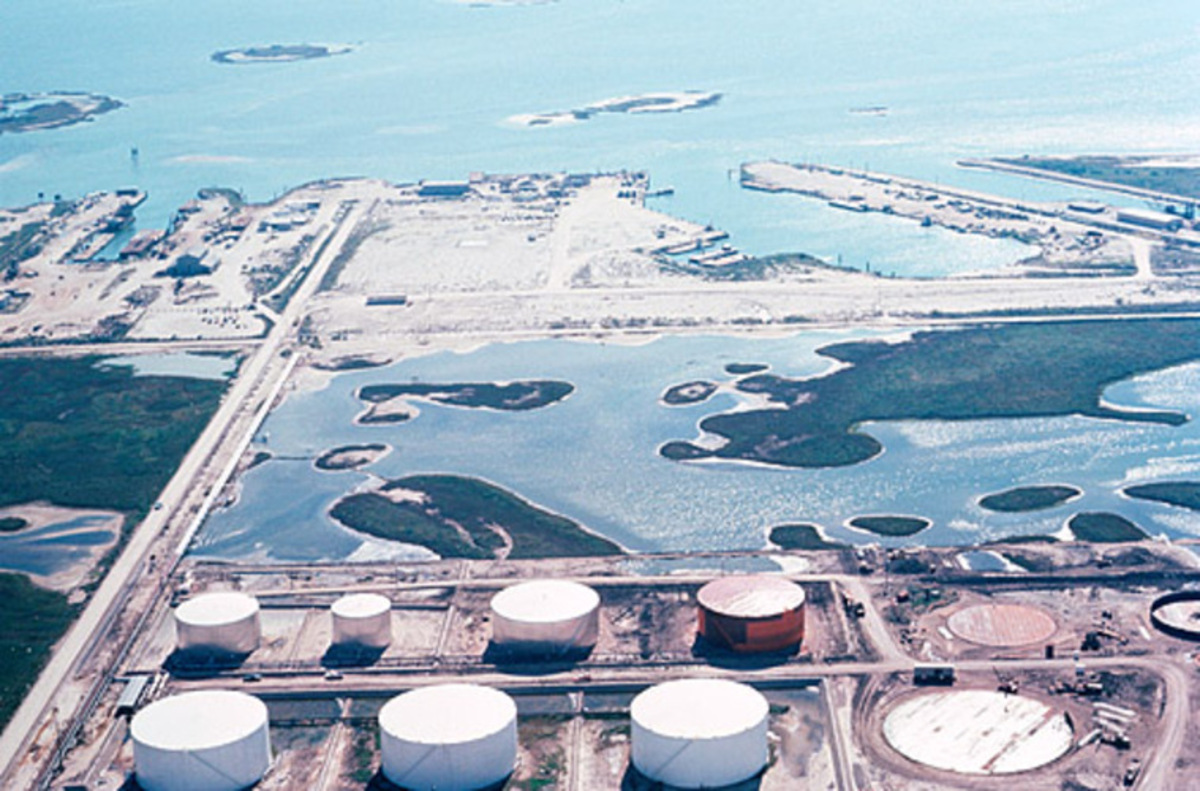
Image: US Fish and Wildlife Service / public domain. Image source and reuse information. A coastal Texas refinery in a US Fish and Wildlife Service archive image. Photograph date not supplied; industrial context, not a customer deployment.
Sources & evidence
Sources describe the announcements and evidence available when this analysis was published. Company claims are attributed; plans and trials are not treated as sustained operation.