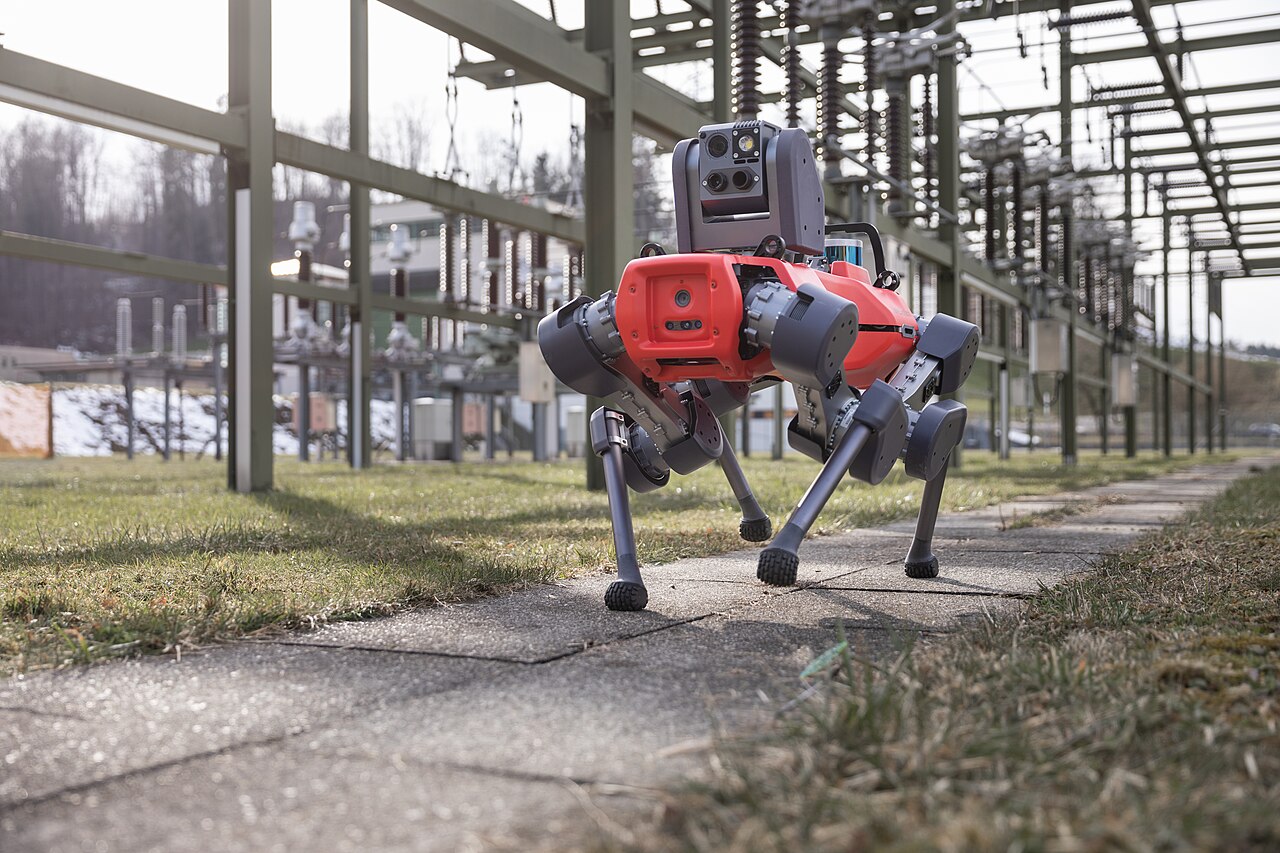
ANYbotics Shift puts inspection autonomy next to the grid control room
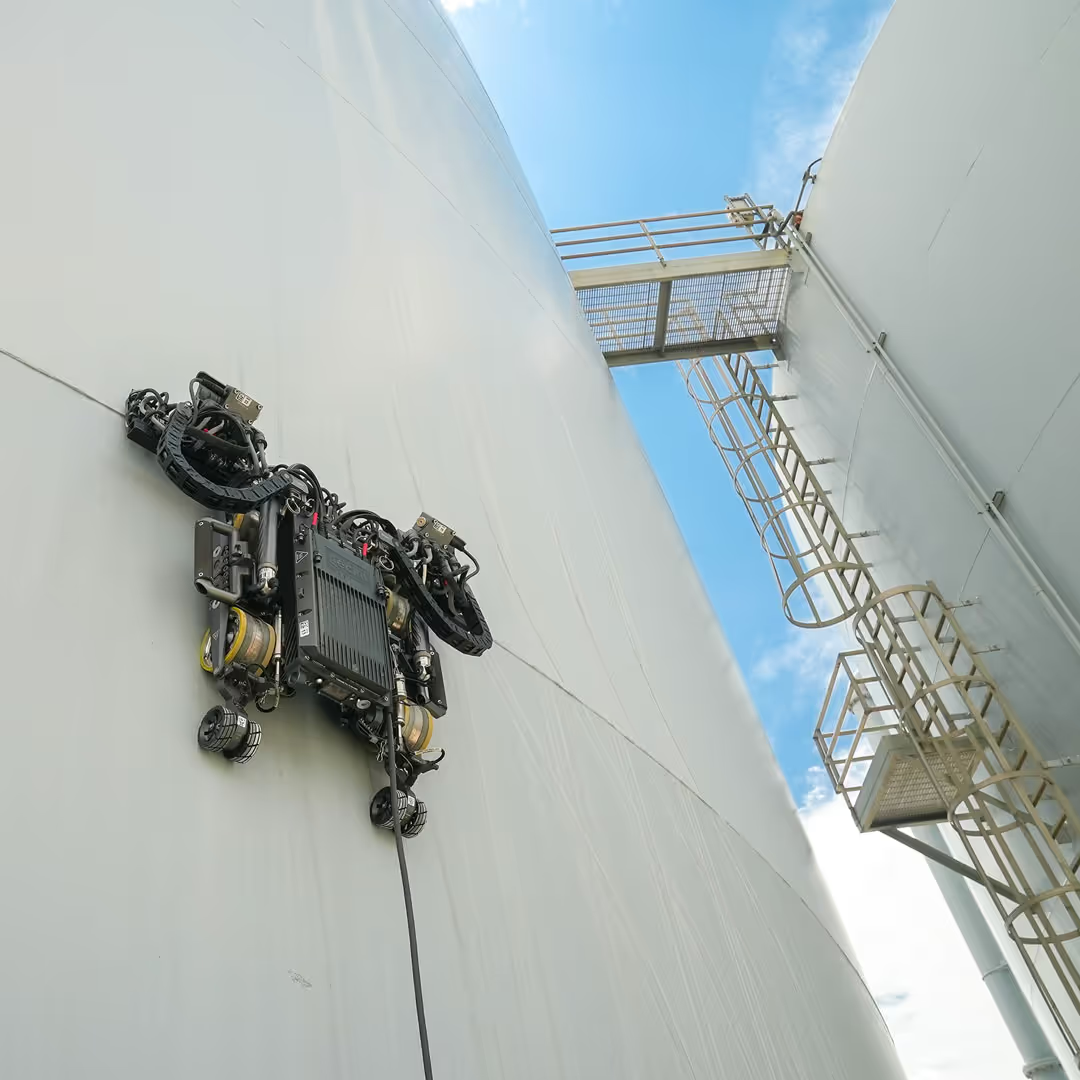
The October 2026 platform launch connects robot readings with plant systems. Its significance lies in the handoff between observation, diagnosis and authority to act.
Explore the October 2026 opening collection. New stories will appear here as they are published.

The October 2026 platform launch connects robot readings with plant systems. Its significance lies in the handoff between observation, diagnosis and authority to act.

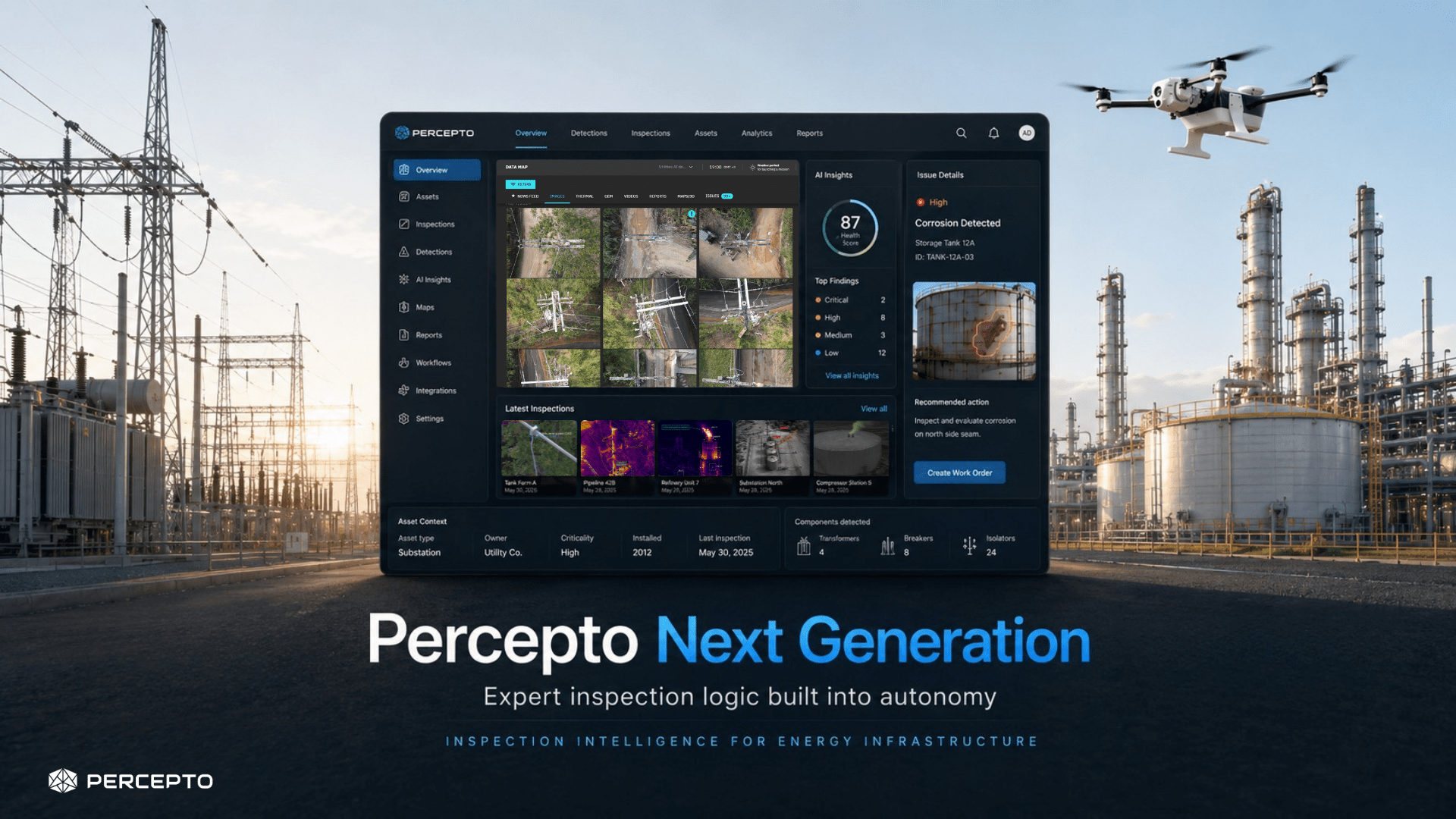
Percepto's June 2026 release goes beyond automated flight. The harder claim is that imagery reaches the right asset record with enough context to guide maintenance.

Robotic surface measurements and a water system's operating controls solve different problems. Gecko's inspection approach illustrates where physical evidence can help—and where it cannot.

Exyn's June 2026 software release emphasizes cleaner, georeferenced data. In a port, the important question is how a map stays useful while equipment and cargo move.

The Swiss freight-wagon pilot and earlier Stadler work illustrate a specific role for legged robots. They complement rather than replace rail-mounted infrastructure measurement.

Recurring docked-drone inspection can give terminals a continuing view of assets. Its value depends on coordinating flight with the work already happening around it.

Autonomous capture can improve access and documentation. A geometric model still needs to be matched to the engineering question and the inspection method.

A robotic measurement becomes useful when it changes a maintenance decision. Gecko's software strategy makes uncertainty, repair scope and follow-up evidence central to the story.

RTE tested thermal, visual and acoustic inspection in representative installations. The enduring question is whether repeated measurements remain comparable as operating conditions change.

A 2023 power-plant demonstration connected robot missions with a photorealistic model. The lasting challenge is keeping that model aligned with the physical plant.

The October 2026 agreement targets submarine-component manufacturing. Its significance is the connection between measurement, acceptance and the next manufacturing step.

Automated data capture can reduce field effort while increasing review work elsewhere. The economic question is what happens across the complete maintenance workflow.

GPS-denied mapping illustrates why resilience needs separate plans for vehicle control, data recovery and the decisions made after a mission.

The September 2026 collaboration addresses permissions at runtime. It also exposes a wider infrastructure question: what happens when many autonomous systems share the same mistaken assumption?

New aircraft and command software promise broader reach. Infrastructure teams still need to know which observations and procedures will remain dependable when an emergency changes the site.