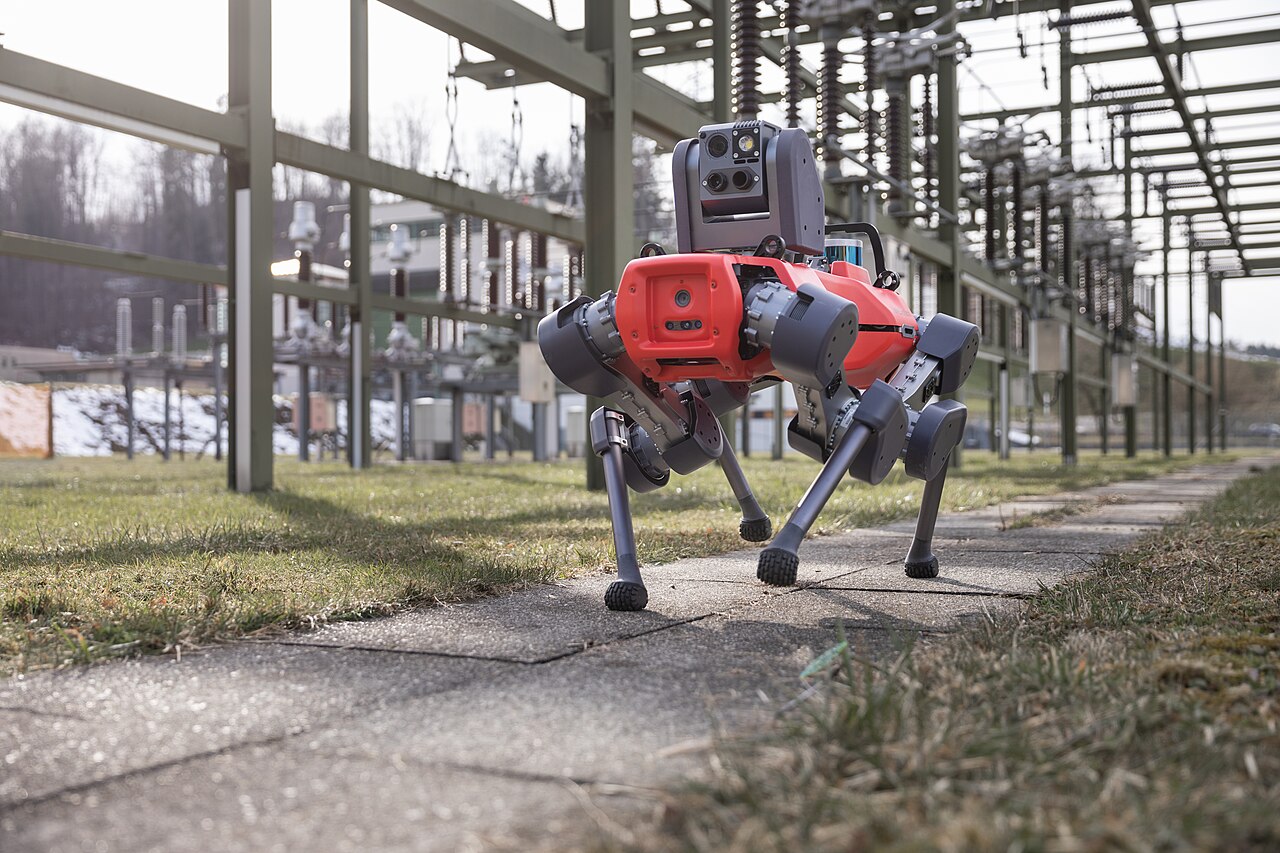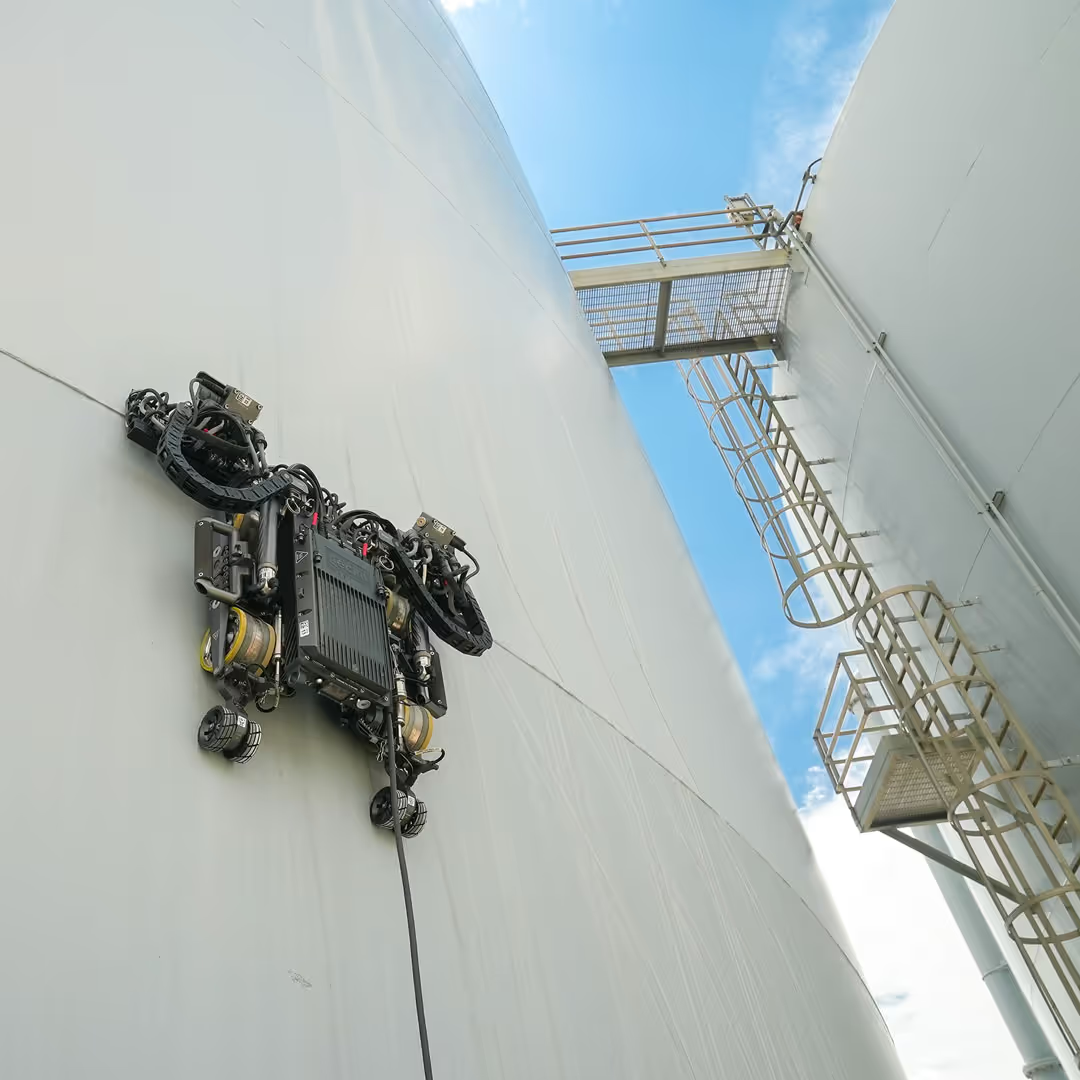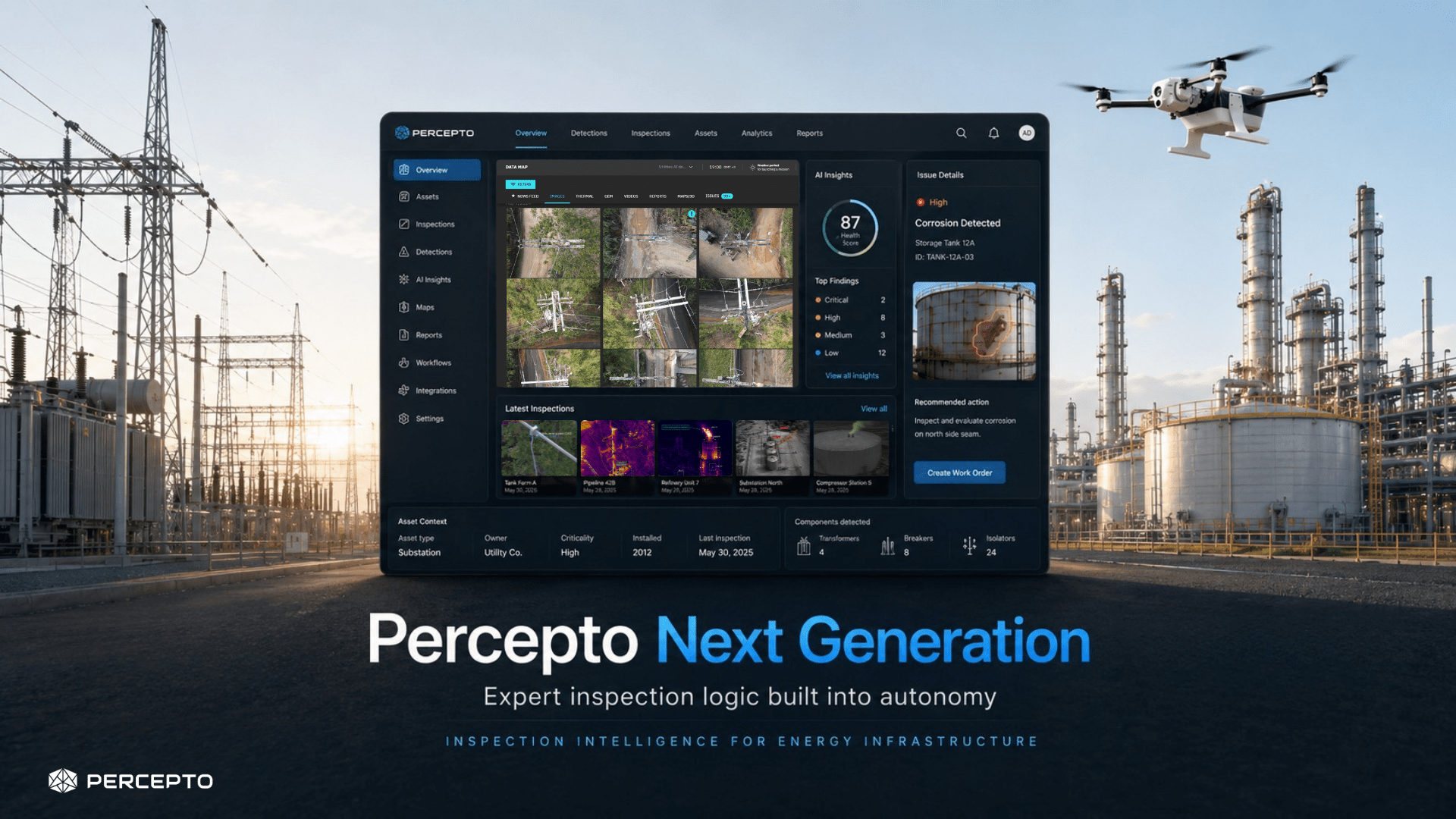
Percepto's June 22, 2026 announcement framed its next-generation platform around inspection intelligence for energy infrastructure. The system combines Air drones, onboard autonomy, AIM software and managed remote operations. The company describes an ambition to capture and interpret data in the manner of an experienced inspector. That is a more demanding proposition than flying a repeated route. It requires the system to recognize which part of an asset deserves attention and to carry the circumstances of the observation into the maintenance decision. Percepto inspection-intelligence launch, June 22, 2026.
The software has to preserve the identity of the asset
AIM is presented as the layer connecting captured data with inspection and monitoring workflows. Its relevance is easiest to understand at a site containing many visually similar components. A clear image assigned to the wrong transformer, valve or pipe section can be less useful than a mediocre image whose location and history are certain. The platform's job is therefore partly administrative: preserving identity across flights, work orders and equipment changes. The product description establishes the offered workflow, not the accuracy of every automatic association. That distinction remains important even where a customer has already adopted remote flight operations. Percepto AIM inspection software.
Exyn's June 2026 software release provides a useful comparison from another part of industrial robotics. It emphasized filtering, georeferencing, quality checks and batch processing in reality-capture workflows. Percepto and Exyn are not interchangeable products; the comparison is that both place more of the commercial value after the vehicle has moved. Reliable data must survive processing and arrive in a form another professional can use. It is no longer sufficient to show that the aircraft reached the asset or generated a large file. The inspection result needs an intelligible relationship to the question that prompted collection. ExynAI software expansion, June 10, 2026.
An experienced inspector does more than recognize a pattern
The phrase inspection intelligence can cover several different tasks. A system may select a viewpoint, detect a visual change, associate an image with a component, or suggest that someone investigate. Those functions should be evaluated separately. A change detector can be useful without knowing whether the change is dangerous. An asset matcher can reduce clerical work without being permitted to close an inspection. A recommendation can help a specialist prioritize work while leaving the engineering judgment with that specialist. Treating these as separate achievements makes both progress and remaining gaps easier to report.
For utilities, this distinction affects how a programme grows. The first deployment may concentrate on components whose geometry and access are predictable. Expansion introduces other equipment types, vegetation, different backgrounds and less familiar operating conditions. A platform can carry the data model between sites, but the visual assumptions may not transfer intact. The right response to an uncertain observation may be another angle or a different sensor, rather than a more confident label. That is an opportunity for autonomy to be useful: it can gather the missing evidence instead of hiding its absence behind a completed-flight status.
Maintenance closes the loop
The decisive record is the sequence from observation to action. If a finding creates a work order, the later repair should be linked back to the evidence that justified it. If the finding is dismissed, that reason is valuable too. Otherwise, repeated false alarms can consume the same engineering attention month after month while the system reports increasing inspection volume. Percepto's launch is part of a shift toward selling this end-to-end relationship. Its success will depend on the quality of the relationship, not the language used to describe the AI. A maintenance team ultimately needs fewer unresolved questions about its assets, not merely a larger archive of aerial photographs.
An inspection robot can produce a large collection of images without changing a single maintenance decision. The value of autonomy lies in turning repeatable observations into timely, accountable work. For utility operators, that means connecting the machine's output to an asset, an assessment and a person who can act. NASA's ISAAC research combined robotic inspection with spacecraft subsystem telemetry. NASA ISAAC autonomous caretaking research.
Build the evidence chain
The first requirement is identity. A photograph of an abnormal-looking component is difficult to use if its location or equipment identifier is uncertain. Repeated inspection adds another question: is the apparent change in the component, or in the viewpoint, illumination or measurement method used to observe it?
A maintenance workflow should preserve the original observation and distinguish it from the software's interpretation. That lets an engineer check the evidence and compare later readings without inheriting an unexplained label. It also makes disagreements useful, because the underlying material remains available for review. FRA uses automated inspection data to inform maintenance and manual inspection. FRA Automated Track Inspection Program.
Close the maintenance loop
Next comes prioritization. An alert should connect to an agreed response path, including when another inspection is appropriate and when a work order is warranted. Otherwise more frequent monitoring can create a backlog of unresolved warnings that looks like better visibility while leaving the underlying asset risk unchanged.
The strongest deployment report would follow a sample of findings to closure. It would show which observations were confirmed, which were dismissed and which led to completed work. That is a more meaningful account of autonomous inspection than a count of photographs captured or kilometres traversed.
Sources & evidence
This archive preserves its original editorial date. Sources describe the events and announcements discussed; they do not establish today’s status.