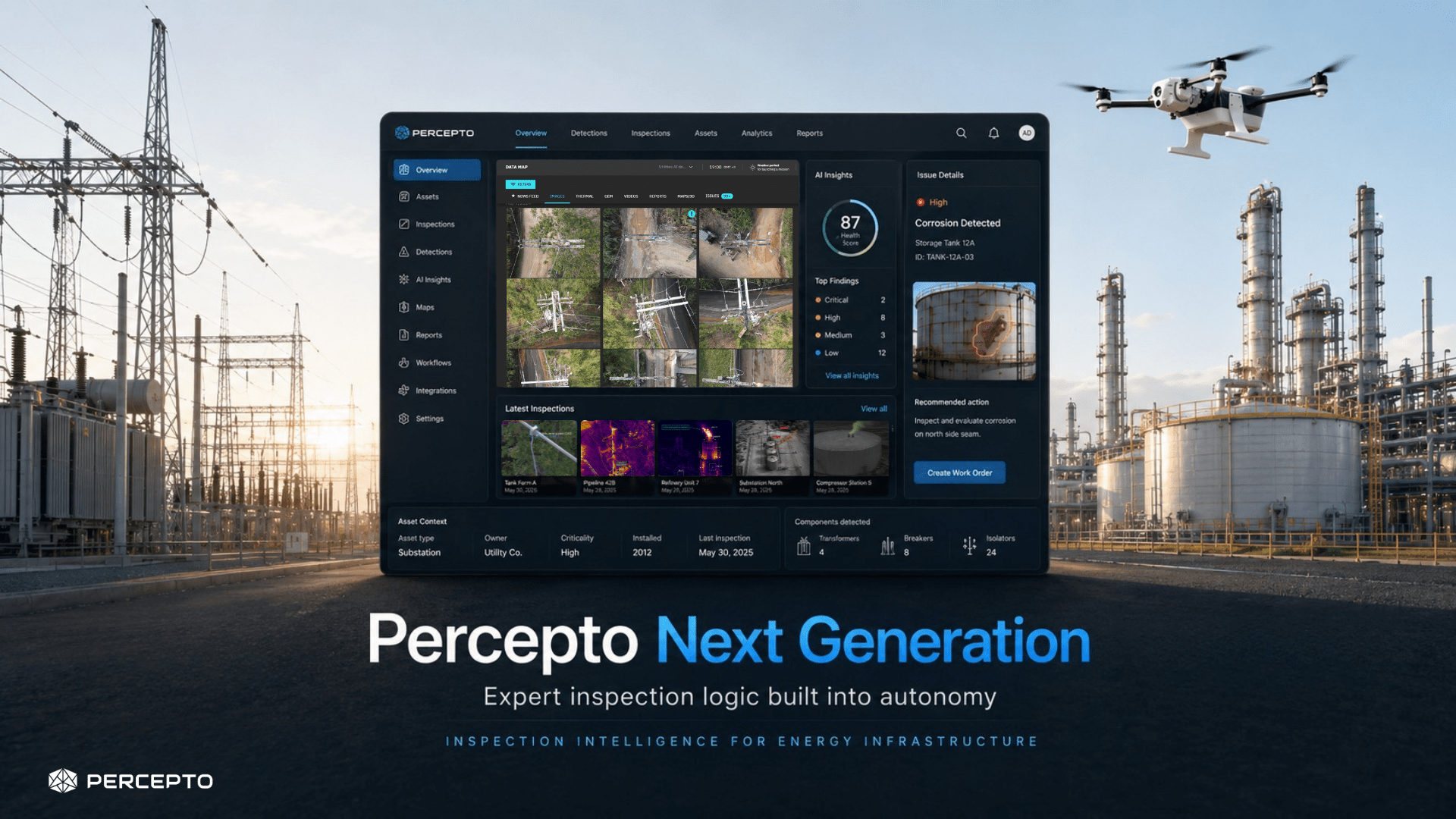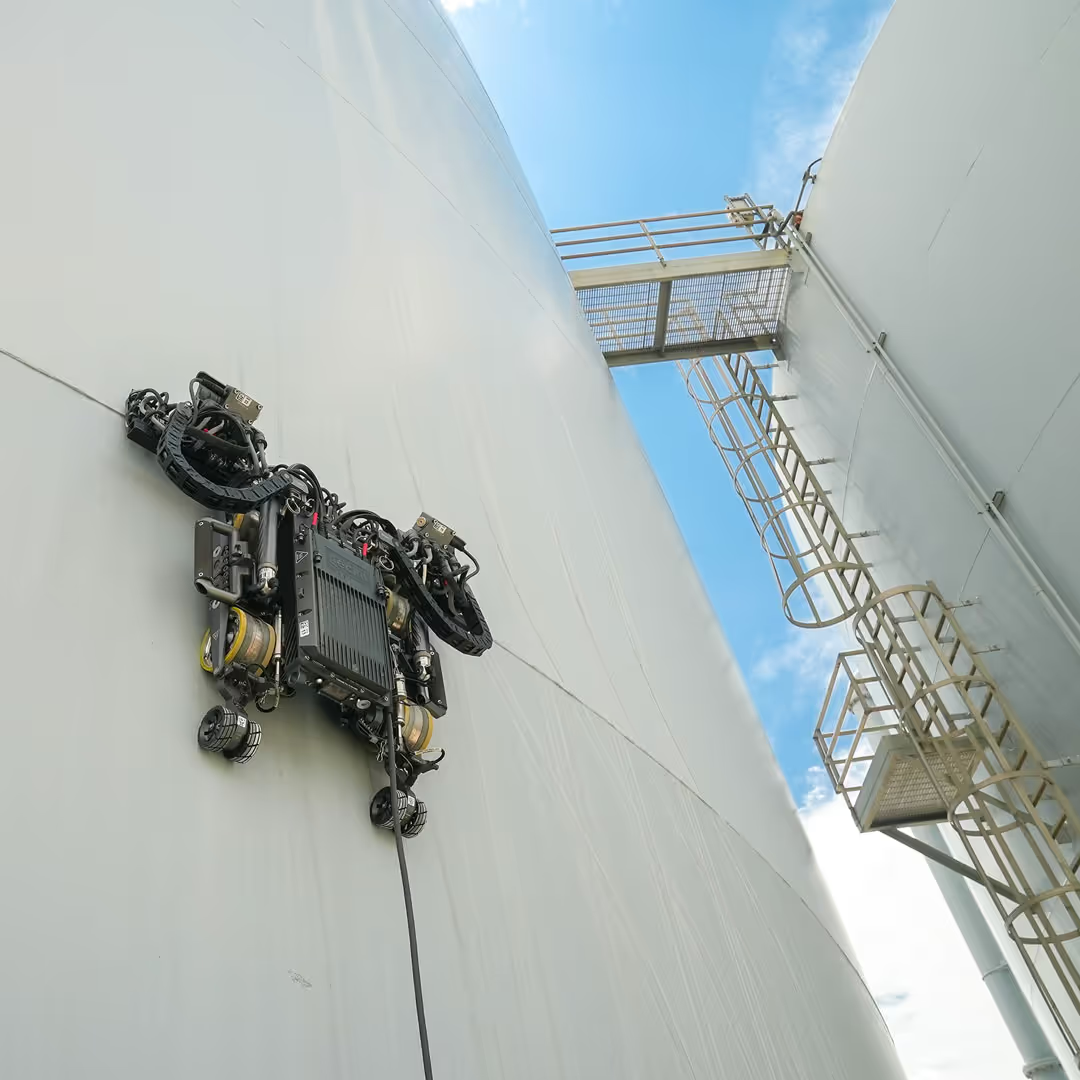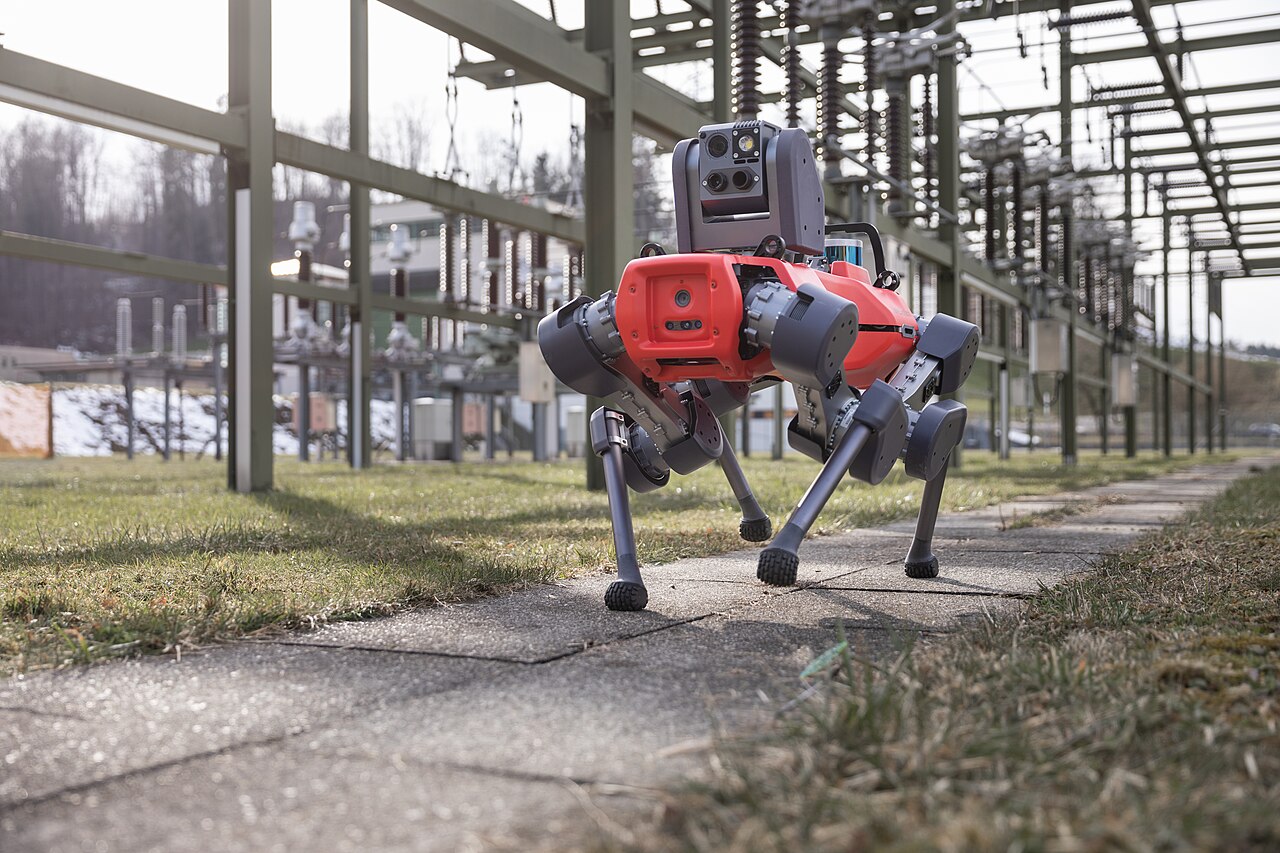
ANYbotics launched Shift on October 1, 2026, connecting robot-fleet operations with equipment records and maintenance workflows. The announcement puts an important part of infrastructure autonomy in view: deciding what an observation means once the robot has collected it. A robot can read a gauge or capture a thermal image without being authorized to alter the process it is observing. Moving those readings closer to plant software makes the handoff faster, but does not make the two responsibilities identical. ANYbotics launches Shift, October 1, 2026.
From an inspection robot to a connected plant workflow
The product follows earlier integration work. In June 2024, ANYbotics and Energy Robotics announced a partnership around robotic asset monitoring and data integration. That history matters because Shift is entering plants where automation, asset records and inspection systems already exist. It is not starting with a blank control room. The October product FAQ describes connections to maintenance, enterprise and asset-performance systems, while explaining that the platform currently operates ANYmal fleets. Support for other robots should therefore be treated as a development direction, not an installed capability shared by every customer. ANYbotics and Energy Robotics partnership, June 12, 2024; ANYbotics Shift operational FAQ.
The architecture changes the meaning of a robot mission. In a standalone arrangement, someone might schedule a round, examine the results and manually send a finding to maintenance. A connected arrangement can begin with an unusual process signal, request a targeted physical observation and return that evidence to the same asset record. This is a more useful form of autonomy than merely adding rounds, because it can concentrate observation where uncertainty has increased. It also creates a circular dependency: the system requesting the evidence may already contain a mistaken asset label or an unreliable signal. Sending a capable robot does not automatically correct that starting point.
Observation is not the same as control
Consider a hot component at an electrical installation. A thermal reading can prompt inspection, but the action that follows depends on equipment loading, ambient conditions, protection settings and the consequences of taking it out of service. Those are different categories of information. Connecting them can improve diagnosis; collapsing them into a single unexplained score can conceal disagreement. The useful interface shows why a finding was escalated, which operating condition accompanied it and what evidence remains missing. The decision to schedule repair can then be separated from any authority to change a live operating state.
This is where the broader discussion of autonomous energy grids becomes relevant. Distributed control is concerned with coordinating electrical resources and keeping the system within limits. Robotic inspection supplies an additional view of physical condition. It should not be described as proof that a grid is self-managing. The two can complement one another, but only if the interface identifies which observations are timely enough for a control decision and which belong in a slower maintenance process. A photograph from yesterday may be perfectly useful for tracking corrosion and entirely inappropriate for determining a component's present operating state.
The important metric is a better decision
Shift's launch establishes a product offering and a set of integration claims. It does not independently establish avoided outages at every customer or demonstrate that the same workflow transfers between utilities. A meaningful evaluation would follow a finding through review, work preparation, intervention and verification. Did the robot supply information that changed the decision? Was the relevant asset correctly identified? Did the intervention resolve the condition? This evidence is more informative than a rising count of uploaded images. The practical promise of connected inspection is that physical evidence becomes easier to use. Its limit is that better access to evidence cannot substitute for an explicit allocation of operational authority.
An energy controller can make a sensible decision for one building while complicating operation elsewhere. That is the central coordination problem in autonomous infrastructure: local objectives have to coexist with the needs of a larger network. More intelligent devices do not automatically produce a more manageable system. Autonomous-energy-grid research examines local cells operating independently or together. NLR archive: autonomous energy grids.
Local success can create a system problem
Consider a hypothetical group of buildings responding to the same signal at the same moment. Each controller could meet its own objective while producing a sharp collective change. This example is a design concern rather than a forecast; it shows why timing, shared constraints and coordination belong in the architecture.
The authority of each controller should therefore be explicit. What may it change independently, what information must it exchange, and when must it defer to another level? Those questions are easier to resolve before a field deployment than after many devices have become operational dependencies. NLR describes test beds for studying control architectures before field deployment. NLR autonomous energy system architectures.
Test the boundaries
Evaluation should include communications delays, unavailable measurements and conflicting requests. A successful demonstration under ideal connectivity establishes only part of the case. Operators need to understand whether the system remains bounded and explainable when one component has a different view of conditions from another.
The practical implication is to procure coordination as carefully as individual device capability. An autonomous grid should be described through its interfaces, constraints and recovery behavior. That gives operators a basis for adding new resources without assuming that every locally useful decision will remain useful at network scale.
Sources & evidence
This archive preserves its original editorial date. Sources describe the events and announcements discussed; they do not establish today’s status.