A production plan that looks efficient can be costly if it ignores maintenance, material availability or the time needed to change a line. The test for an industrial planning agent is whether its proposals remain useful after those constraints meet real operations.
Siemens announced new work with NVIDIA at its Erlangen electronics factory on October 19. Siemens says the applications were co-developed and tested in live production. It describes an agent generating production scenarios for planners and a digital twin checking proposals before implementation. The company reports up to 20 percent planning-related cost savings and up to 85 percent less engineering effort for virtual ramp-up. These are vendor-reported maxima for different activities, not a combined plant-wide saving.
Simulation is an acceptance layer, not the factory
A digital twin can reveal conflicts before equipment changes. Its usefulness still depends on how closely the represented process matches the line that will execute the plan. A missing constraint can make a feasible simulated schedule impractical on the floor.
The public release does not provide enough detail to reproduce the savings calculation across other plants. Our assessment is that a buyer should request the baseline, scope and measurement period, then examine where planners rejected or changed an agent’s proposal.
Track the cost of exceptions
The immediate operating opportunity is to compare more scenarios without giving every proposal direct authority over equipment. Change management, review and rollback remain part of the system’s cost.
If a factory can maintain its model and show that accepted plans hold up during disruption, the approach could become a repeatable operating tool. The decisive evidence is the gap between proposed and executed plans, including recovery work when conditions diverge. That would establish more than a headline maximum.
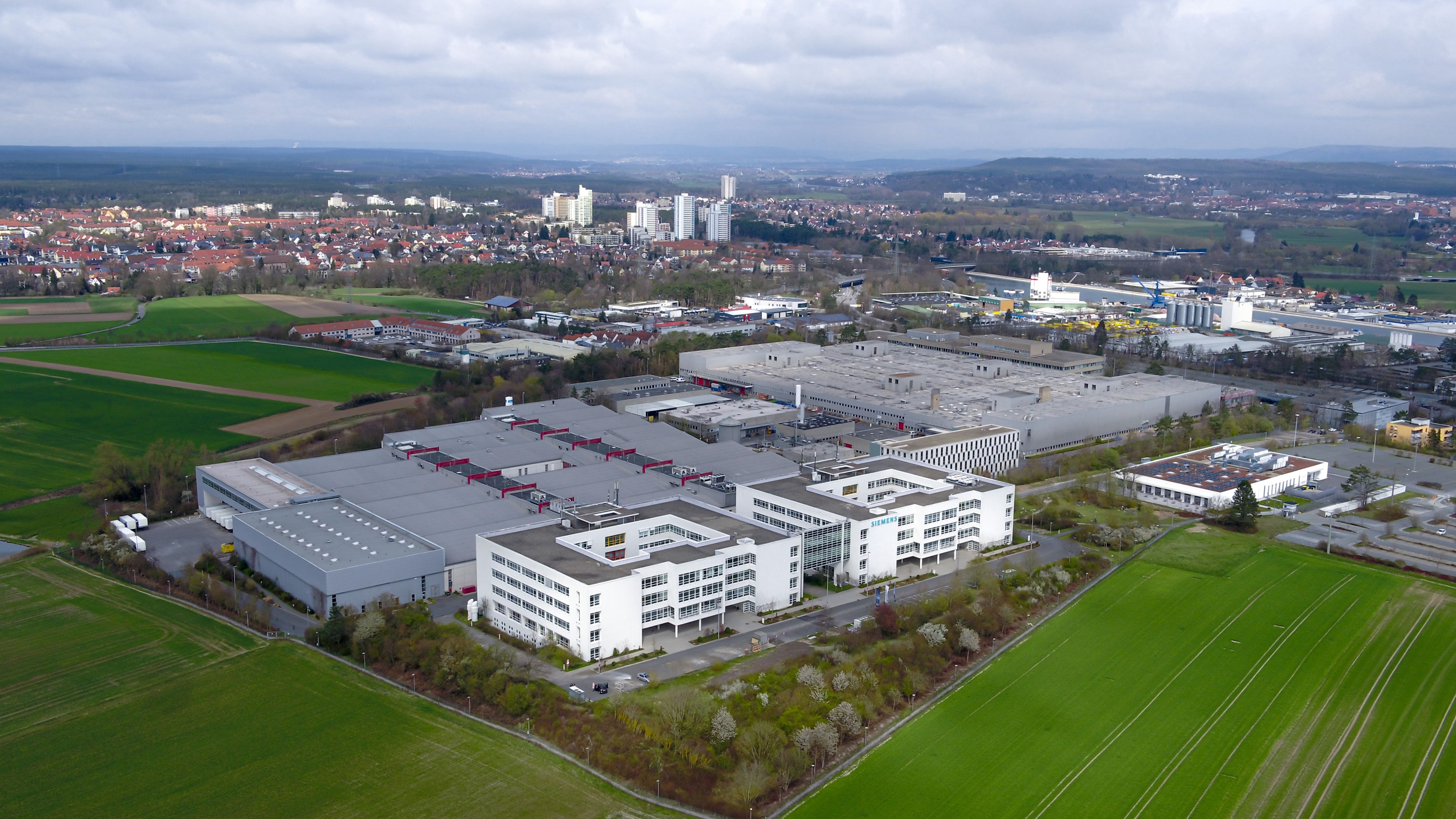
Image: Siemens AG. Reuse terms. Original file retained; responsive display may crop the frame.
Sources & evidence
Sources describe the announcements and evidence available when this analysis was published. Company claims are attributed; plans and trials are not treated as sustained operation.