An inspection robot creates value only when trained people can repeatedly obtain usable measurements. A September 23 Voliro customer account describes Grupo DR1 scaling robotic nondestructive testing to more than 60 operators across Brazil and Latin America.
Current impact
The account is supplier-published evidence of a service organization’s growth, not an independent measurement of avoided failures. Its practical significance is the operating system around the robot: training, procedures and the ability to deliver inspection work beyond a single specialist.
Potential greater impact
If that approach produces consistent data across teams, asset owners could gain more flexible access to inspection at difficult locations. The larger maintenance benefit depends on measurement quality and the engineering decisions that follow, not only the number of certified operators.
What would establish progress
Watch repeatability, coverage, verification effort and how findings enter the customer’s maintenance record. Remote measurement can reduce some access work, but a reading still needs interpretation before a repair is authorized. Scaling the service requires those handoffs to be as dependable as the flight.
Watch the footage
Background product footage illustrates aerial contact, the mechanism used for robotic inspection. This short company demonstration is not footage of Grupo DR1’s operator program or evidence of inspection accuracy.
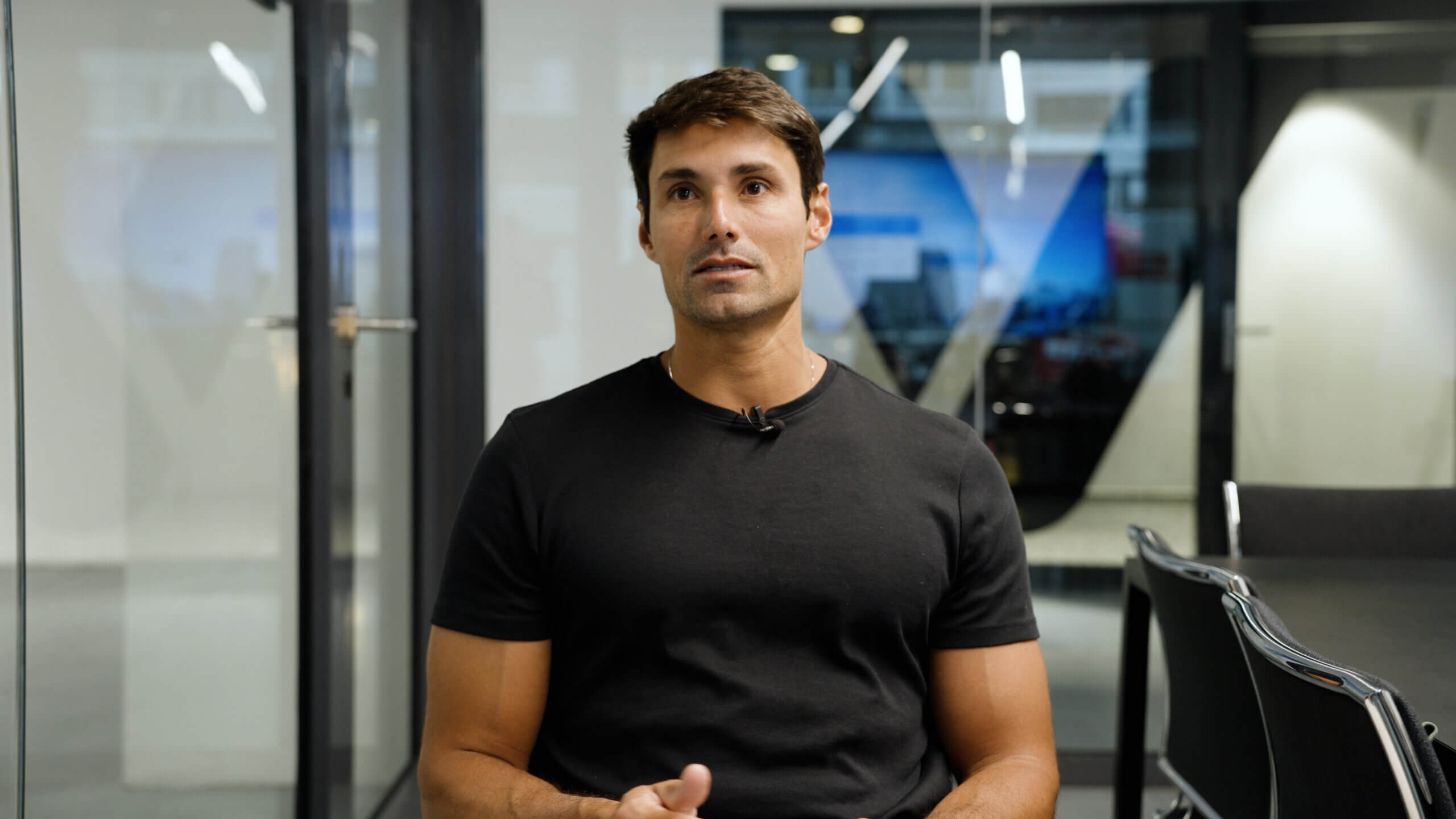
Video: Voliro · Original sourceImage: Grupo DR1 / official announcement. Used for source-attributed editorial reporting; rights remain with the owner.
Sources & evidence
Sources describe the announcements and evidence available when this analysis was published. Company claims are attributed; plans and trials are not treated as sustained operation.