A grid operator needs advice that arrives before conditions change, but speed is useful only if the proposed response respects the network’s physical limits. A model that predicts a problem and a system authorised to change power flows are different engineering responsibilities.
GE Vernova described DynaGridFM on October 19 as a two-year research project supported by $3.43 million from ARPA-E. Partners include Pacific Northwest National Laboratory and Georgia Tech. The proposed model combines time-series methods, graph neural networks and generative AI with GPU-accelerated grid optimisation. The company’s account describes work to be developed, not an operationally validated autonomous grid controller.
The recommendation needs an independent constraint check
The announced architecture would use optimisation to verify and refine recommendations before they reach operators. That separation matters: plausible language or a statistically likely trajectory cannot demonstrate that equipment ratings, stability requirements and protection settings remain satisfied.
The release does not provide an operating benchmark, field trial denominator or error rate under unfamiliar disturbances. Our assessment is that the first useful deployment would therefore be decision support with explicit failure handling. The operator would need to see what assumptions informed a recommendation and when the tool should be disregarded.
Measure the whole decision cycle
If the approach works, faster evaluation could let operators examine more options before committing to an action. But the relevant comparison is the time and reliability of the complete decision process, including validation and human review. A faster model alone does not establish faster safe operation.
The next evidence to watch is a disclosed evaluation on difficult grid conditions, followed by an operator trial that identifies rejected recommendations and fallback procedures. Those results would make the proposed verification layer assessable.
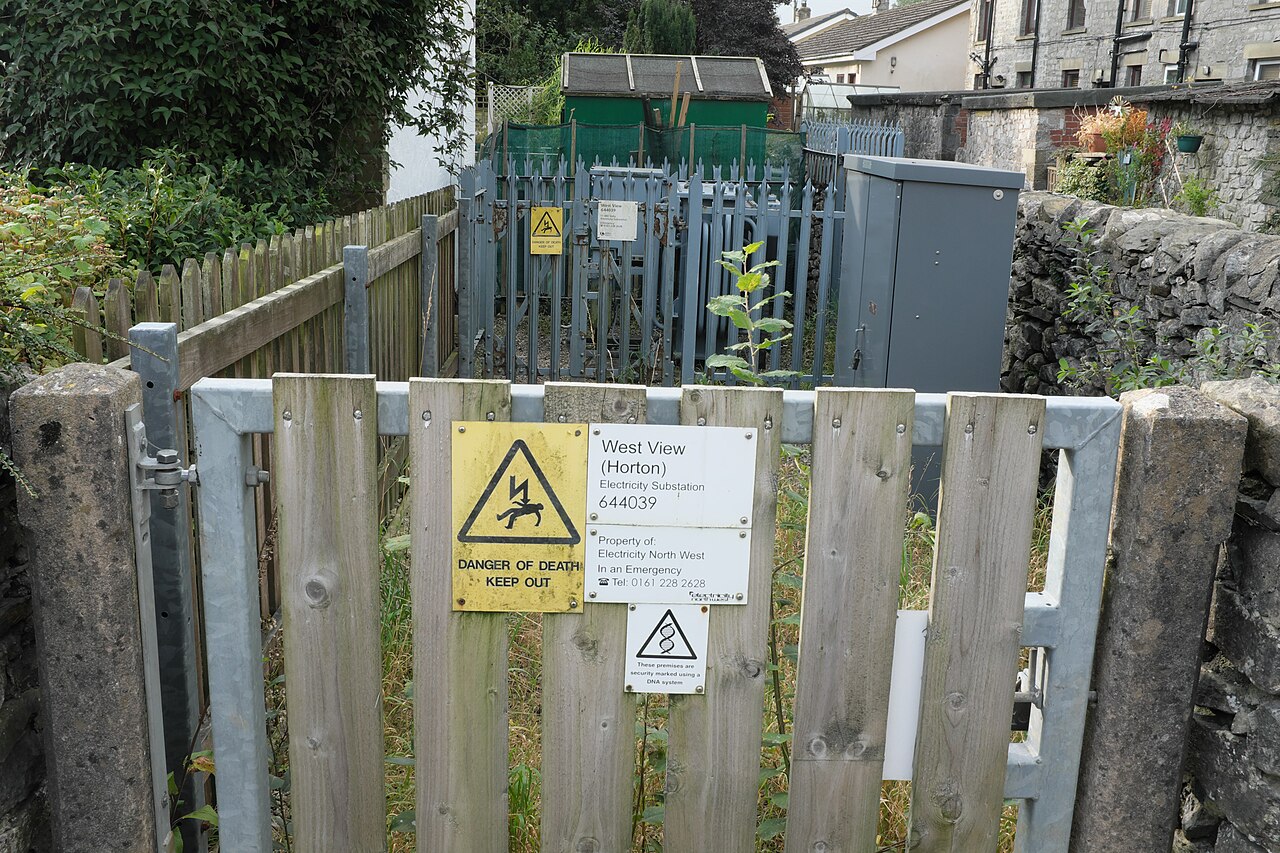
Image: Bob Harvey / CC BY-SA 2.0. Reuse terms. Original file retained; responsive display may crop the frame.
Sources & evidence
Sources describe the announcements and evidence available when this analysis was published. Company claims are attributed; plans and trials are not treated as sustained operation.