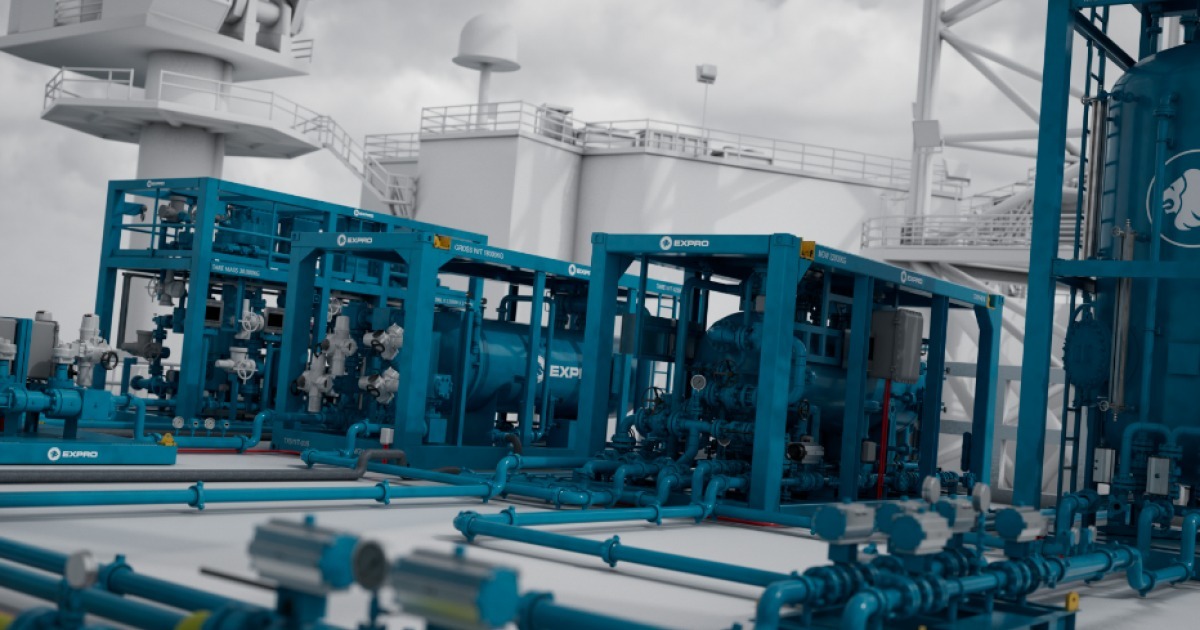
Expro’s new Maestro well-test platform puts a consequential boundary inside the automation design: equipment can monitor conditions and propose a response while experienced personnel retain critical decisions. That boundary matters when reducing work around live equipment without losing operational accountability.
Monitoring and control have different responsibilities
The October 29 launch describes a modular platform combining automation, remote control, real-time data and alerts. Expro calls its approach Verified Decision Control and says a full deployment can reduce red-zone exposure by up to 67%. The release does not provide the baseline, site sample or independent validation needed to apply that maximum to another operation.
Maestro builds on Expro’s EDGE and Data to Desk technologies. The company presents it as configurable for different projects and environments, rather than a single identical installation.
Specify what happens when a person must intervene
The buyer’s acceptance plan should distinguish a notification, a proposed response and an executed control action. Each should have a responsible role, a time limit and a record of what the operator saw when making the decision. Remote access also needs a clear fallback when communications fail.
Our assessment is that reduced exposure should be measured alongside remaining intervention. Moving routine observation away from equipment is useful; a system that repeatedly summons people back into the same hazardous area may deliver less benefit than the maximum claim suggests.
Measure the complete operating cycle
A credible customer result would report comparable tasks before and after deployment, the extent of remote operation, interventions and the conditions excluded from automation. If those results hold across repeated well tests, Maestro could make a meaningful difference to how crews divide remote supervision and on-site work. The launch establishes an offering, not that sustained outcome.
Image: US Fish and Wildlife Service / public domain. Image source and reuse information. A coastal Texas refinery in a US Fish and Wildlife Service archive image. Photograph date not supplied; industrial context, not a customer deployment.
Sources & evidence
Sources describe the announcements and evidence available when this analysis was published. Company claims are attributed; plans and trials are not treated as sustained operation.