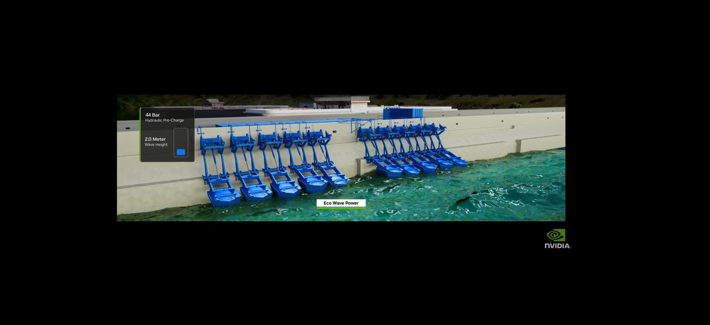
Eco Wave Power announced completion of the first phase of a digital twin with AI engineering GmbH on November 2. The work creates a physics-based model of the company’s wave-energy system and an initial foundation for machine-learning analysis. The immediate result is a modelling capability, not proof of increased electricity output.
A simulation milestone
Wave-energy equipment operates in changing sea conditions, so a model can help engineers examine movement, loads and energy capture before changing physical equipment. Its usefulness depends on how well simulated behaviour matches the operating system and how uncertainty is represented.
Operational integration comes later
The company’s roadmap places modelling of additional conversion components and connections to real sensors and generation data in later phases. Potential coordination with coastal data centres is also prospective. Discussions about supplying electricity should not be described as an operating power contract.
The evidence required for optimisation
The next evidence should connect model predictions with measured loads and electricity production across varied sea states. Documented prediction error and validated operating changes would show whether the digital twin can support maintenance or optimisation decisions beyond its current simulation role.
Image: Eco Wave Power / source announcement. Used for source-attributed editorial reporting; rights remain with the owner.
Sources & evidence
Sources describe the announcements and evidence available when this analysis was published. Company claims are attributed; plans and trials are not treated as sustained operation.